
6 Practical Tools I Use to Vet a Red Light Therapy Manufacturer
Introduction — a short scene, some numbers, one question
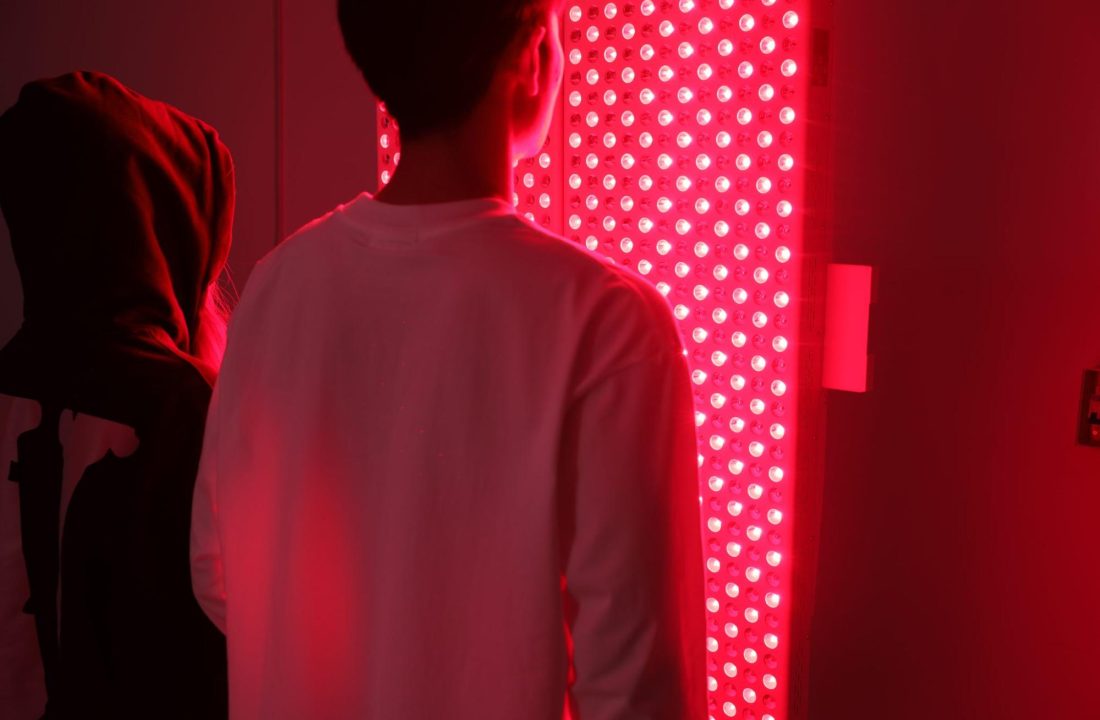
I was in a small clinic last month watching a technician set up a new panel while a client waited. The clinic had ordered from a red light therapy manufacturer and hoped for faster healing times and fewer service issues. Across clinics, adoption of red light devices shows steady growth—studies report double-digit annual increases in device sales and clinic installations. So how do you pick a reliable maker when the marketing looks almost the same? (I ask because I’ve been the one doing the testing, and I care about the details.) Let’s move from that waiting room to the checklist I keep on my desk — a practical path forward.
Part 2 — Where common solutions fail and hidden pains show (technical take)
As I noted above, clinics and private buyers often trust brand promises without checking the nuts and bolts. But many problems hide beneath glossy specs. When I examine red light manufacturers, I look for things most people miss: whether LED arrays are properly matched to drivers, if wavelength stability holds under load, and how designers handle heat dissipation. Poor choices in power converters or weak thermal paths cause early failures. These are real, measurable faults — not just marketing fluff. I’ve seen units that drop output 20% after a few months because the manufacturer skimped on cooling; that means patients get less effective therapy over time.
Why does this keep happening?
The short answer: production shortcuts and mismatched specs. Manufacturers promise a peak wavelength but neglect long-term stability testing. Look, it’s simpler than you think: test for steady irradiance over time, check thermal design, and verify driver quality. I use simple bench checks and real-use simulations. They reveal failure modes fast — edge computing nodes in control systems can help with monitoring, but many vendors skip that level of control. — funny how that works, right?
Part 3 — Looking forward: case example and three evaluation metrics
I want to give one short example from a clinic partnership. We compared two vendors over six months: one used rigorous component sourcing, the other cut corners. The rigorous vendor kept output within 5% variance and reported fewer service calls. The other drifted beyond 15%, prompting replacements. That experiment showed me what matters in the field and clarified priorities for buyers. I checked warranty execution, field-replaceable modules, and real-world uptime. The contrast was stark and useful — it taught us faster than any brochure could.
 What’s next — how to choose wisely?
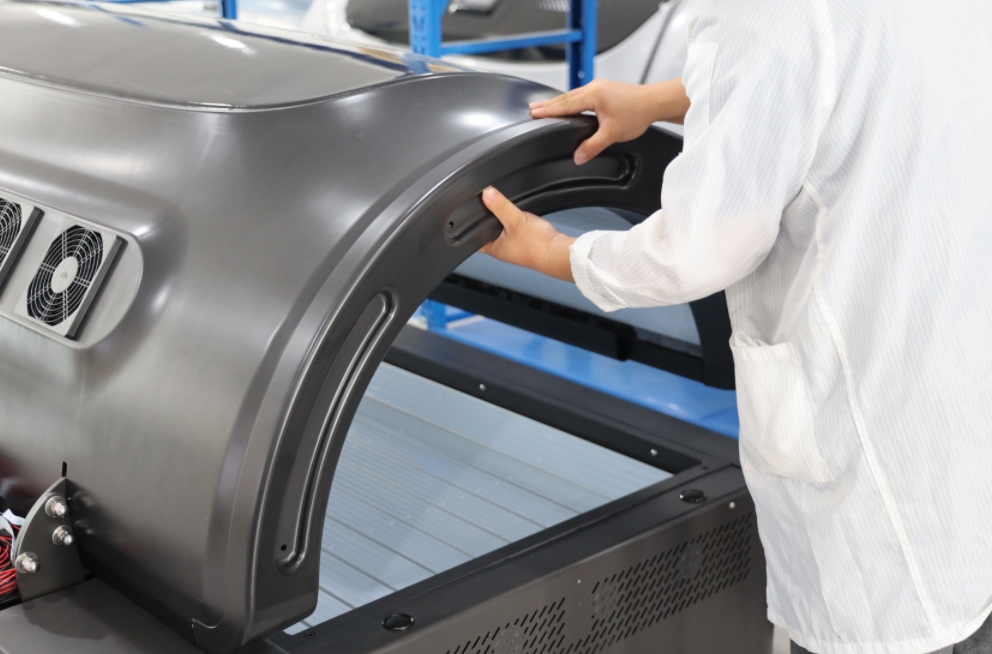
Here are three practical metrics I now use when recommending vendors: 1) Long-term irradiance retention (measure over months), 2) Thermal management proof (thermal images, specs on heat dissipation), and 3) Serviceability and parts sourcing (are modules and power converters standard or proprietary?). Also, ask the vendor how they monitor devices in the field; some modern suppliers include telemetry (helpful) and some do not. When you run these checks, you cut risk significantly. If you want my short checklist, I’ll share it — I keep refining it as new tech arrives. And for reliable partnerships, consider established red light manufacturers with transparent testing data. — that small step saved us headaches and kept patients happier.
In closing, evaluate suppliers by those three metrics, watch for real test data, and favor vendors who back their claims with service and parts. I recommend this practical, data-led approach because I’ve seen it work. For proven solutions and support, consider Magique Power.