
7 Ways a Laser Cutter Fume Extractor Keeps Your Workshop Safer — A User-Focused Guide
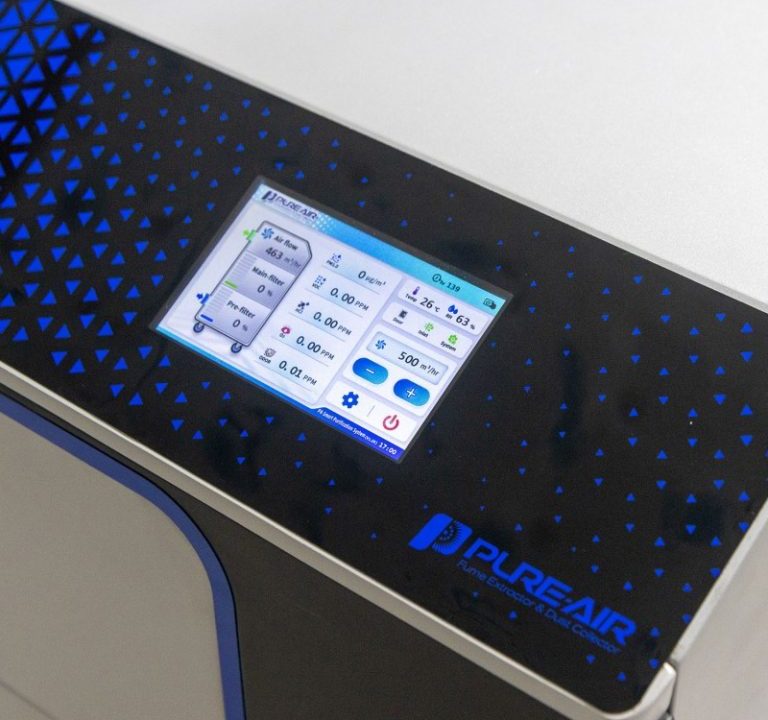
Introduction
I was in a small Dublin makerspace one wet Tuesday, watching the glow of a laser cutter as someone burned through a sheet of acrylic — the smell hung in the air like a stubborn cloud. In that moment I thought, plainly: we need better control of fumes; a laser cutter fume extractor often makes the difference between a tidy shop and a health hazard. Recent studies suggest that long-term exposure to polymer and metal particulates raises respiratory risks by measurable amounts, and yet many of us still tolerate poor ventilation because "it'll do for now".
Look, I know the push-and-pull: budgets, deadlines, and the romance of making. But when I step back, the data is hard to ignore — filtration efficiency percentages, airflow rates, and capture velocity aren’t just jargon; they’re the tools of survival in a busy studio. (And between you and me — nothing beats the relief of clean air.) So, what exactly goes wrong with the usual setups, and how do we choose a better path forward? Let’s peel that back and get practical.
Where Traditional Setups Fall Short
First, let me be blunt and technical: many workshops lean on ad hoc exhaust fans or cheap range-hood filters that simply aren’t designed for laser-cut particulates. The real problem is twofold — poor capture at the source and inadequate filtration downstream. Even a decent fan won’t help if the plume escapes before being sucked in. If you’re shopping, consider this: a true fume extractor for laser cutter couples targeted capture hoods with a proper HEPA filter and activated carbon stage to trap both particulates and volatile organic compounds. HEPA filter, activated carbon, airflow rate — these aren't buzzwords; they define whether your system works.
Why do these flaws matter?
Because they add up. Bad capture equals more maintenance (we all hate cleaning laser lenses, right?), greater long-term health risk, and interrupted productivity. I’ve seen shops swap filters monthly and still complain about smell — that’s usually a sign of poor filter staging or wrong airflow design. Look, it’s simpler than you think: match capture velocity to your material and distance, pick the right filtration media for what you cut, and factor in a decent fan or power converter that holds up under continuous use. — it makes a world of difference.
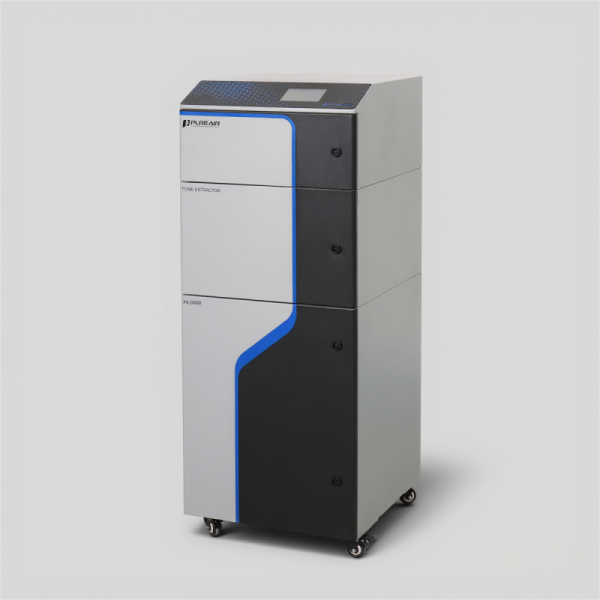 New Principles and Practical Choices for the Next Generation
What’s next is less flashy and more methodical. Modern systems move from brute force (bigger fans) to smarter capture and staged filtration. I like to explain it this way: capture the plume, filter particulates, then scrub gases. A well-designed fume extractor for laser cutter will pair a low-noise blower with modular HEPA and activated carbon cartridges, and often a pre-filter to extend service life. Add simple sensors for airflow and differential pressure, and you’ve got something that warns you before performance drops — not after the shop smells like burnt plastic.
What’s Next?
Practical innovation means better materials and smarter controls. I expect to see more units with variable-speed fans, real-time airflow feedback, and easier cartridge swaps (no fiddly screws). Also — funny how that works, right? — compact units are getting more powerful, and serviceability is now a design priority. For anyone choosing equipment, consider three quick metrics: 1) capture efficiency at working distance, 2) filtration class and media (HEPA + activated carbon for VOCs), and 3) sustained airflow and noise level under load. Use those and you’ll avoid the traps I’ve described.
Closing Thoughts and Practical Metrics
I’ll be honest: I’ve had to replace my fair share of filters and I still get a pang of satisfaction when a new extractor tames a workshop. If you take nothing else from this, take these three evaluation metrics to heart — they’ve saved me time and health headaches more than once. First, check capture efficiency: can the hood or nozzle catch the plume from the usual distance you work? Second, verify filtration: HEPA for particulates, activated carbon for smells and VOCs. Third, test sustained performance: does the unit hold airflow without sounding like a jet or tripping breakers?
We all want to make and teach safely, and choosing the right extractor doesn’t need to be mystifying. I’ve learned to trust measured specs over glossy marketing, and to ask for service intervals and spare-part costs up front. If you want a practical partner in this — proper filters, sensible airflow control, and honest specs — check out what brands like PURE-AIR are doing; they’re not just selling boxes, they’re solving the problems we grumble about between jobs.