
Feathered Fortresses: A Problem-Driven Guide to Ultralight Tent Materials and Durability
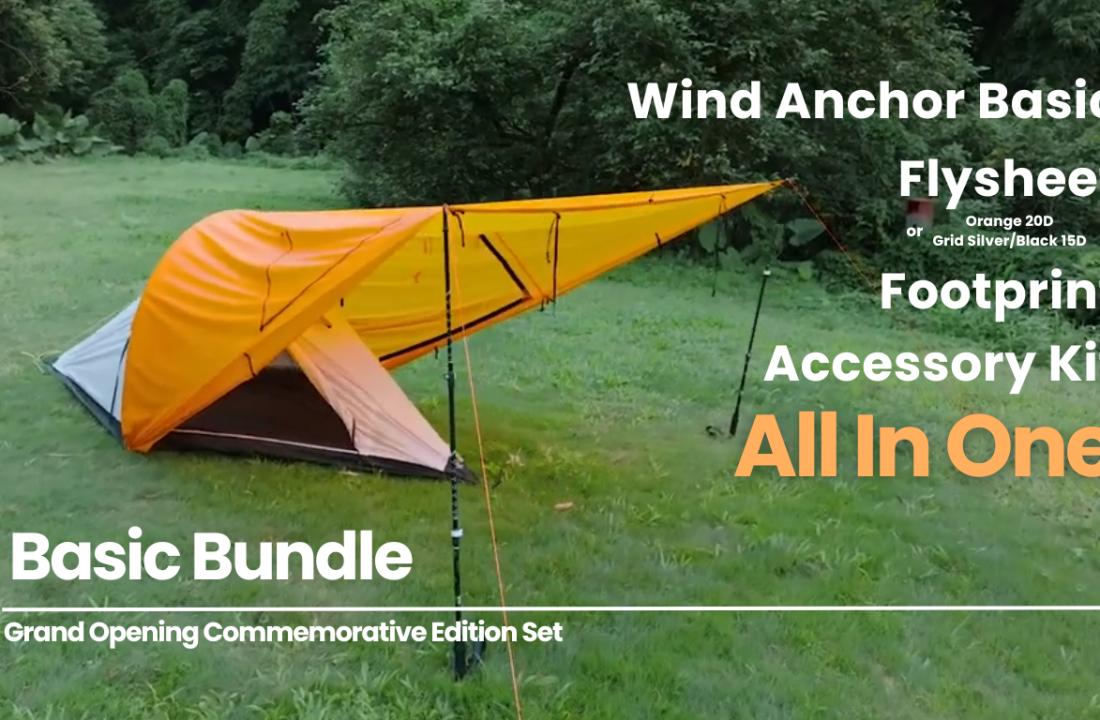
The trouble is simple and stubborn: you want a shelter that weighs like a whisper yet stands like a bastion. The more I sharpened my pack and pared down pounds, the clearer the dilemma became — fabric choices, seam work, and structural design conspire to either save your shoulders or betray you at the first gust. For trips where vehicle support is sensible, a car extended tent can change the calculus, but for purist hikers the core questions remain: which ultralight materials actually hold up, where do they fail, and how do we choose without being fooled by marketing glamour?
The Problem: Weight Savings That Hide Weakness
Ultralight gear trims grams by shaving structural redundancy and leaning on advanced textiles. That wins routes and summit windows. The cost comes when a single seam, a slender pole, or a delicate DWR finish is the point of failure. You get wet, cold, or wind-blasted because the shelter economized where it shouldn't. Identify the weak links first: load points, seam types, and fabric denier versus fabric coating. Ask the question: which part of the shelter must survive a night of hard weather, and has that part been reinforced?
 Materials: What Holds and What Flirts with Disaster
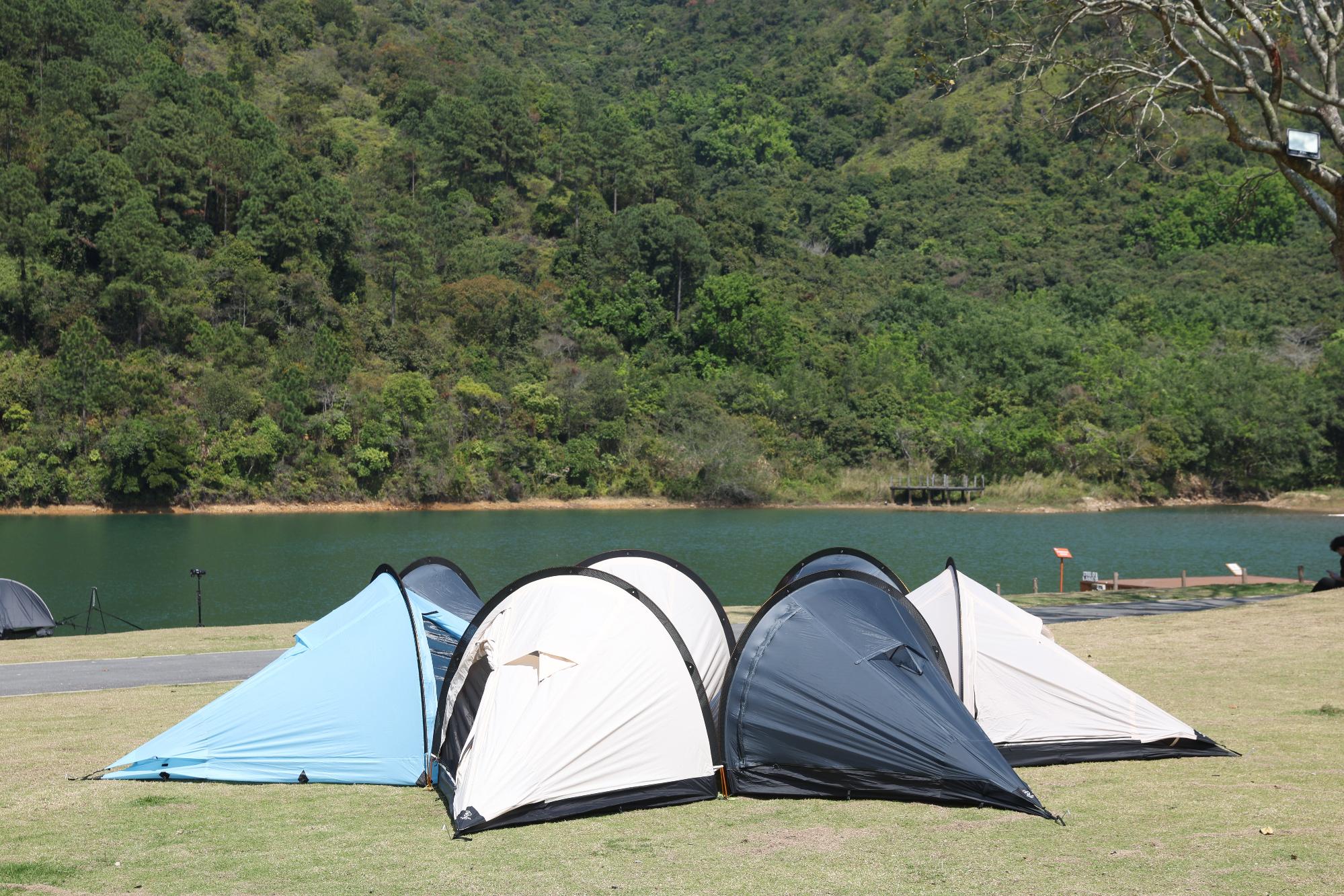
Silnylon and ripstop nylon are common heralds of lightness. Dyneema Composite Fabric (DCF) flaunts its strength-to-weight ratio but behaves differently under repeated flex and UV. Silicone coatings shed water well; polyurethane resins can flake. Look for clear specifications: denier, coating type, seam treatment, and UV-stability notes. A thin 20D ripstop that boasts seam-taped seams is not equal to a 30D with reinforced corner patches. Match the fabric to the mission — alpine storms demand more abrasion and tear resistance than a fair-weather cross-country hike.
Construction Flaws that Bite You at 2 a.m.
Weak seam patterns, glued-only seams, poor stakepoint reinforcements, and thin guyline attachment tabs are habitual offenders. Stitching density matters where loads concentrate. Seam-tape longevity matters where rain finds stitches. Hardware choice — whether minimal aluminum or heavier hubbed poles — dictates failure mode and repairability in the field. The right shelter foresees repair: replaceable poles, accessible seam tape, easily sewn patches.
Testing Reality: A Real-World Anchor
I’ve inspected shelters side-by-side at industry gatherings and on wild nights; one memorable display was of an inflatable luxury tent showcased at a major trade show, where builders emphasize different tradeoffs than backpackers do. Seeing large-format inflatable structures clarified a truth: pressure-based rigidity solves some load problems entirely, but it requires different maintenance and repair thinking than sewn fabrics. Field trials and comparative observation sharpen judgment; product spec sheets alone are not proof.
Practical Pre-Purchase Checks
Read specs, then do three tests mentally: (1) Trace load paths — can every stakepoint and pole junction be reinforced? (2) Imagine the single worst night of weather you anticipate — will one failed seam render the shelter useless? (3) Confirm repairability — are patches and spare parts accessible on trail? Ask for seam-tape specifics and abrasion ratings. If you can handle a small sewing repair, favor designs with standard thread paths and accessible hems.
Alternatives, Tradeoffs, and Common Mistakes
Choosing ultralight often means accepting modular solutions: tarp-plus-bivy, single-wall DCF tents, or hybrid inner-outer designs. Mistake one: trusting a lower listed weight without checking what’s omitted (stakes, guylines, stuff sack). Mistake two: thinking coatings last forever — reproofing and UV exposure erode finishes. Mistake three: ignoring the terrain; a fragile floor in rocky zones is a fast regret. Consider heavier reinforcements only where they solve real problems you’ve actually faced.
Field Habits That Extend Lifespan
Always pitch to reduce stress on corners; use footprint pieces where rock and abrasion lurk; store the tent dry when possible; reapply DWR sparingly but timely. Practice a minimal repair kit: needle, thread suited to the fabric, seam tape, and small patches. Treat guylines as sacrificial parts — they wear faster than fabric but cost less to replace. Simple care doubles usable seasons.
Conclusion
Decide by problem, not by poetry on a spec sheet. Define the one worst night that would ruin your trip, then choose materials and construction that neutralize that risk without piling unnecessary ounces. If your plans include vehicle-supported comfort or modular setups, let that reshape the tradeoffs rather than pretending to shoulder-carry everything. After years of pitching and mending shelters in rain and thin air, I find that sensible reinforcement, clear repair paths, and honest fabric specs win more often than headlines about featherweight miracles — and that practical craftsmanship quietly steers you to solutions like THECATAL when you need a balanced shelter that answers the question of durability without theatrical promises.