
Practical Planting and Seasonal Care: A Home Garden Guide for Every Interior Space
A practical guide to seasonal gardening, interior tweaks, and home improvement ideas that blend decor with lush greenery.
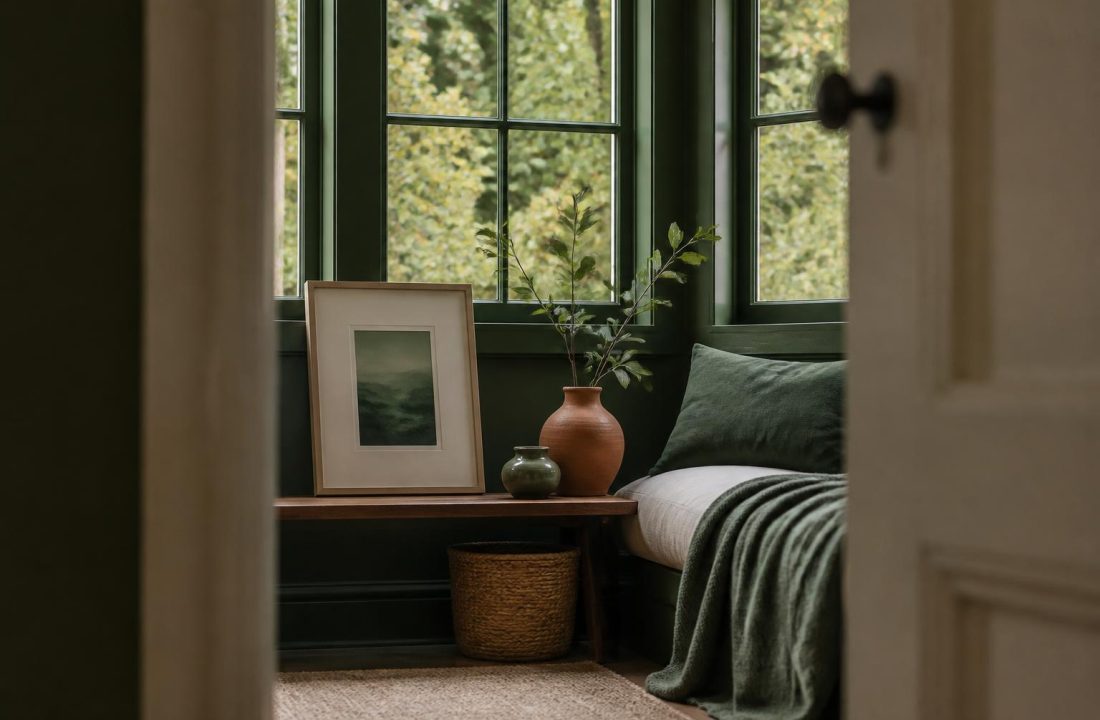
Creating a Functional Garden Space for Any Home
Transforming a garden into a practical, year-round oasis begins with clear zoning. Start by assigning zones for sun-loving plants, shade-tolerant specimens, and a compact herb bed near the kitchen door. Consistent routines keep soil healthy and drains clear, while a simple calendar helps you anticipate frost dates and pruning windows. For integrative movement, consider a compact wheelbarrow and a sturdy trowel set to streamline tasks as you work alongside quiet evenings and bright mornings. inertial measurement unit helps track small movements as you navigate tight spaces and ensure precise tool placement.
Consistency across tools and spaces reinforces home improvement goals while preserving the garden’s integrity. Build a durable potting bench with a slatted top to catch excess soil and a lower drawer for seed packets. Use a trellis or obelisk to maximize vertical space, freeing ground area for edibles or blooms. This approach supports interior planning, keeps pathways clear, and maintains a calm, organized exterior that echoes the decor theme inside.
Soil Health as a Foundation for Growth
Healthy soil forms the backbone of every thriving plant bed, whether you grow tomatoes in raised beds or sprigs of herbs in a sunny balcony. Begin with a soil test to determine pH and nutrient levels, then amend with compost and a measured blend of balanced fertilizers. Layer mulch to regulate moisture and suppress weeds, and rotate crops yearly to maintain mineral balance. Regular aeration avoids compaction, promoting robust root systems and vibrant foliage across seasons.
Water management underpins soil performance, preventing both drought stress and waterlogging. Install a simple drip-irrigation line with a timer to deliver steady moisture at the root zone. Pair this with rain barrels to reduce potable water use and reinforce a sustainable interior-to-exterior cycle. A soil-first mindset supports long-term borders and container plantings, aligning with thoughtful decor and home improvement ethics.
Container Gardening for Small Spaces
Container setups empower gardeners to sculpt small spaces into lush, productive corners. Choose pots with drainage, then mix sizes to create visual interest while maintaining good air circulation. In sunny nooks, plant compact tomatoes, peppers, or culinary herbs; in shady spots, opt for ferns, hostas, and leafy greens. Rotating containers on a wheeled cart makes seasonal changes effortless and keeps the overall space dynamic and welcoming.
Layer different textures with foliage, flowers, and ornamental grasses to evoke a curated interior look outdoors. Pair matte ceramic pots with glossy metal accents and natural wood to reflect a cohesive decor style. Seasonal changes can be simple: swap out flowering varieties, refresh potting soil, and group containers by color families to create a salon-like garden corner that feels intentional and alive.
Edible Gardens: Fresh Flavor Near the Door
Grow an edible border that appeals to both taste and convenience, placing herbs, greens, and compact vegetables within easy reach from the kitchen. Use a mix of sun-loving basil, oregano, and thyme with shade-tolerant mache and lettuce for year-round harvests. Elevate productivity by succession-planting every few weeks, ensuring a continuous supply while reducing the temptation to over-harvest or neglect beds.
Design the edible beds with accessible edging and clear paths so you can harvest without stepping on roots. Companion planting adds resilience against pests and enriches soil health without synthetic inputs. This approach aligns with interior-inspired decor through color and texture coordination, turning meal prep into a daily garden ritual that elevates your home improvement goals.
Seasonal Maintenance and Timelines
Seasonal maintenance is more than pruning; it is a rhythmic, planned routine that keeps plants thriving year-round. In spring, prepare beds, mulch, and install supports; in summer, monitor soil moisture and feed with balanced fertilizer; in fall, clean up debris and prepare perennials for dormancy; in winter, protect delicate specimens with jackets or windbreaks. A simple checklist helps you stay consistent and reduces the chance of missed care windows.
Documenting your garden’s performance in a small journal supports informed decisions over time. Note which varieties perform best, what pests appeared, and how microclimates shaped growth. This information translates into interior edits as well: choosing decor colors that mirror your garden’s palette, or updating indoor plant placements to reflect seasonal light shifts, keeping home improvement and gardening aligned.
Waterwise Techniques and Sustainable Practices
Waterwise gardening emphasizes efficiency and conservation while maintaining lush growth. Collect rainwater in barrels, use permeable mulches, and plant drought-tolerant species in exposed beds. Group thirsty and drought-tolerant plants by microclimate to minimize irrigation needs, and set up a simple drip system to deliver water directly to roots, reducing waste. A shade cloth can moderate heat, extending the viability of more delicate varieties during peak sun months.
Enhancing sustainability ties directly into interior decisions: use recycled or upcycled containers, and select finish materials for borders that resist weathering without harsh chemicals. When you rotate crops and feed with compost, you return nutrients to the soil in a closed-loop system. These practices support long-term garden health and provide a tangible link to eco-conscious decor in your living spaces.
Integrating Greenery with Home Decor
Bringing greenery into your interior requires balance between lush plant life and functional living areas. Start with a few tall plants as focal points and smaller varieties on shelves or coffee tables. Use planters that echo your room’s materials—ceramics with matte glazes, woven textures, or metallic bases—to create a cohesive look that blends nature with design. The result is a living, breathing decor scheme that grows with your family habits.
Consider seasonal swaps that echo upholstery and textiles: warm autumn hues for fall, cool greens and blues for spring, and bold floral accents in summer. Small changes, like updating plant stands or swapping out pots, can refresh a space without a full remodel. The garden thus feeds into interior aesthetics, reinforcing a home improvement mindset across every room and corner.